
Football is a game full of strategy, excitement, and sometimes confusing rules. One play that often surprises fans is the safety. You’ve probably seen a team celebrate scoring two points while the other team looks frustrated. That’s usually a safety. But what exactly is it, how does it happen, and why is it important?
What Is a Safety?
In American football, a safety is a scoring play worth two points. It happens when the offensive team makes a mistake or is forced into a bad position in their own end zone (the area behind their goal line).
Unlike touchdowns (worth six points) or field goals (worth three), safeties don’t happen often. But when they do, they can change the momentum of the game instantly.
When Does a Safety Occur?
A safety occurs under specific conditions. The most common situations are:
- The ball carrier (usually the quarterback or running back) is tackled in their own end zone.
- The offensive team commits a penalty in their own end zone.
- The ball goes out of bounds in their own end zone, like a bad snap that rolls past the quarterback and out of the field of play.
In every case, the defense is awarded two points, and the team that gave up the safety must also kick the ball back to the other team. This gives the opposing team both points and field position a double advantage.
How Scoring Works in a Safety
When a safety happens:
- The defensive team receives two points.
- The team that gave up the safety performs a free kick from their own 20-yard line, giving the other team the ball.
This sequence can be a big shift in the game because not only do you lose points, but you also lose possession, often giving your opponent good field position.
Examples of Safeties
Let’s look at a few examples to make it clearer:
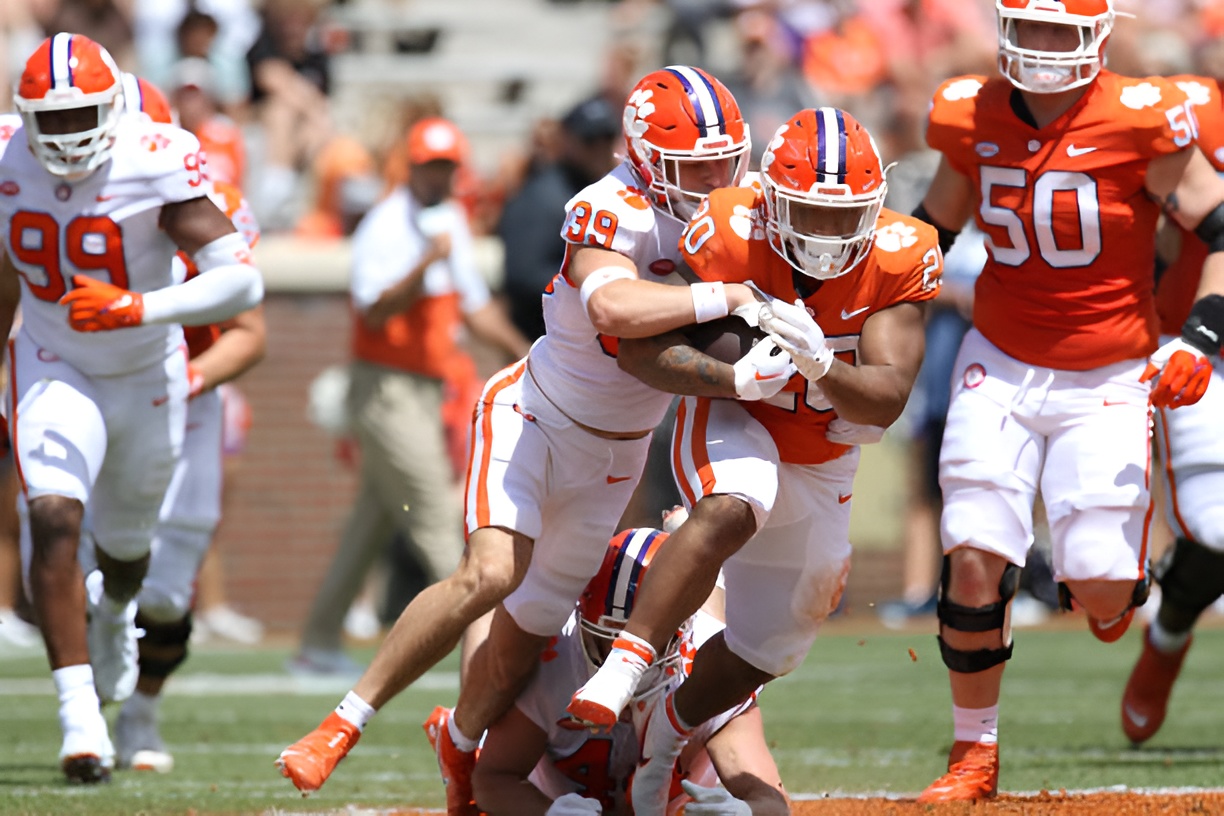
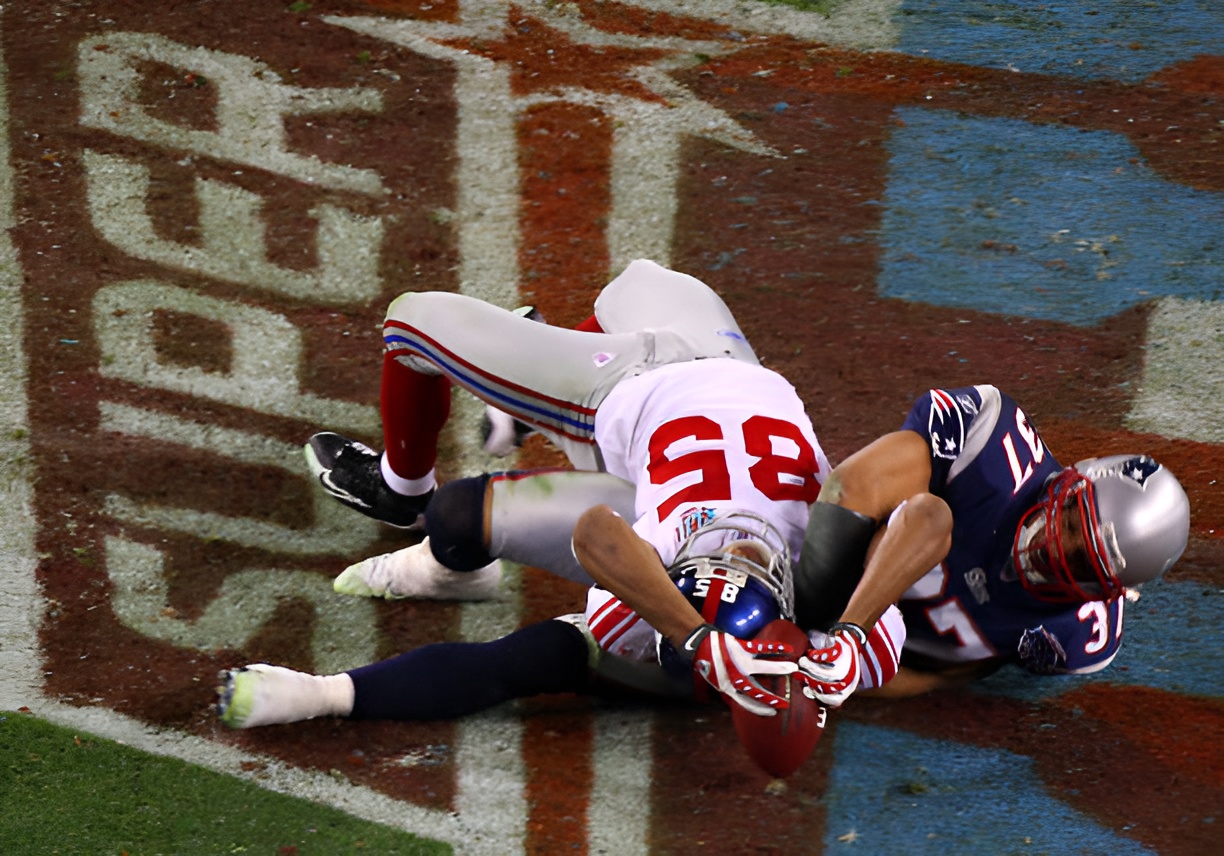
- Tackled in the End Zone: The quarterback drops back to pass but is tackled by a defender before he can throw the ball. If this happens in the end zone, it’s a safety.
- Bad Snap: The center snaps the ball over the quarterback’s head, and the ball rolls out of the end zone. The defense is awarded a safety.
- Penalty in the End Zone: If the offense commits holding or intentional grounding in their own end zone, the result is a safety.
These situations can happen in both the NFL and college football, and the rules are largely the same.
Why Safeties Matter
While safeties only count for two points, they can have a huge impact on the game. Here’s why:
- Momentum Shift: Scoring a safety can fire up the defense and change the energy on the field.
- Field Position Advantage: After the safety, the scoring team receives the ball, often with good field position.
- Strategic Plays: Sometimes, teams intentionally take a safety late in the game to gain better field position on a punt or to use up valuable time.
In close games, those two points can make the difference between winning and losing.
Famous Safeties in Football History
Several memorable safeties have changed the outcome of big games. For example:
- In Super Bowl XLVII, the very first play of the game resulted in a safety when the Baltimore Ravens snapped the ball past the quarterback, giving the San Francisco 49ers two points.
- In regular-season games, safeties sometimes occur back-to-back, a rare and exciting event for fans.
These moments show how unpredictable and important safety can be.
Final Thoughts
A safety in football might be worth only two points, but it’s one of the most powerful and game-changing plays. It punishes the offense for being backed up into their own territory and rewards the defense for applying pressure.
By understanding what a safety is, how it happens, and why it matters, you’ll appreciate the strategy and excitement even more the next time you see one on the field.